
Three ways INASP can support you to drive gender equity and inclusion in higher education and research
If we want to forge a better, more inclusive world for women, we need to address bias, stereotypes, and discrimination...
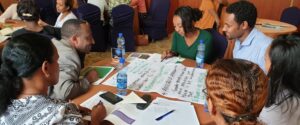
If we want to forge a better, more inclusive world for women, we need to address bias, stereotypes, and discrimination...
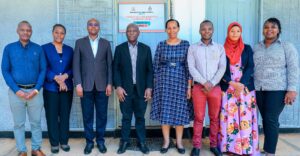
Mzumbe University in Tanzania is one of the four pioneer universities of TESCEA (Transforming Employability for Social Change in East...
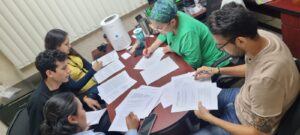
Welcome to our final interview of this mini-blog series, celebrating and reflecting on the International Day of Women and Girls...
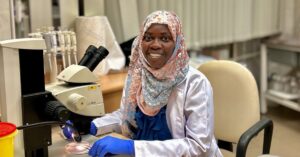
Welcome to our second interview of this mini blog series, celebrating and reflecting on the International Day of Women and...

Following on from yesterday’s blog post and our AuthorAID blog celebrating and reflecting on the International Day of Women and...
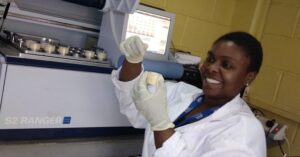
If women’s priorities and contributions are substantially missing from knowledge production, then the solutions, products, and technologies developed through research...
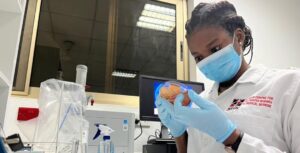
Navigating a research career is a difficult journey, and for early career researchers (ECRs) in the Global South, the path...
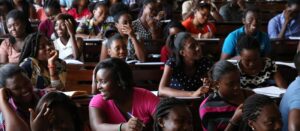
INASP’s Board of Trustees is pleased to announce that Jon Harle, currently Director of Programmes, has been appointed as our...

Transforming the prospects of Africa’s graduates – and its young people at large – might be the greatest contribution that...
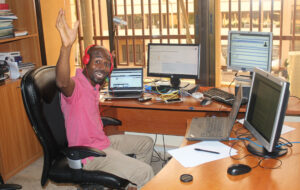
In the pursuit of top-quality research from low and middle-income countries (LMICs) and a stronger commitment to invest research funds...